
Upcoming Smartphones That Will Break the Internet in 2026: Complete Guide
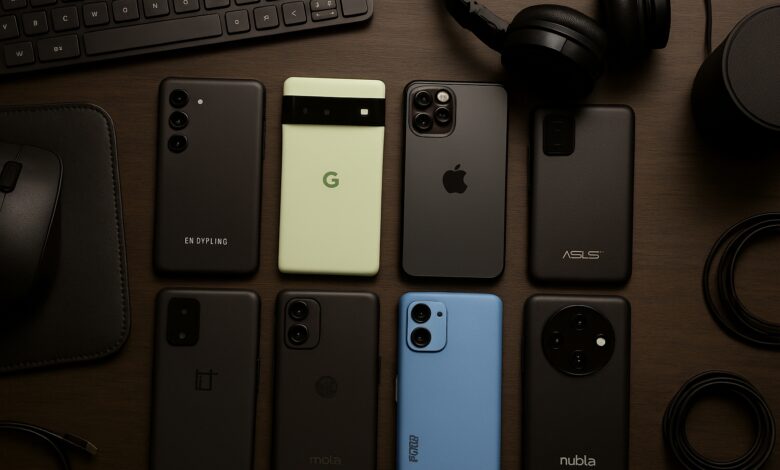
A TechMilkyWay Exclusive Preview | Best New Phones 2026
The most anticipated upcoming smartphones 2026 are set to revolutionize mobile technology. From Apple’s first foldable iPhone to Samsung’s tri-fold innovation, Huawei’s 7000mAh battery flagship, and Google’s AI-powered Pixel 11, next year promises the biggest smartphone launches of upcoming smartphones 2026 in history. Here at TechMilkyWay, we’ve compiled everything you need to know about upcoming smartphones 2026 that will dominate 2026.


Whether you’re looking for the best camera phone, longest battery life, gaming performance, or budget value, this comprehensive guide covers every major upcoming smartphones 2026 release coming in 2026. Let’s explore what makes each device special and help you decide which one deserves your money in the realm of upcoming smartphones 2026.
What to Expect from Upcoming Smartphones 2026
Table of Contents:
- Apple iPhone Fold & iPhone 18 Pro
- Samsung Galaxy Z Fold 8 & TriFold
- Google Pixel 11 & Pixel 10a
- Huawei Pura 90 & Mate X7
- Xiaomi 16 Ultra
- Nubia Fold & Gaming Phones
- OnePlus Open 2 & OnePlus 15
- ASUS ROG Phone 9 & Zenfone 12 Ultra
- Motorola Signature & Budget Champions
- OPPO Find X9 Pro
- Ayaneo Pocket Play
- Best 2026 Smartphone Features
Motorola: Budget Champions and Flagship Innovation
TechMilkyWay Analysis: Motorola is making waves across every price segment in 2026, from ultra-affordable budget devices that punch above their weight to a completely reimagined flagship strategy that could challenge the industry’s premium giants.
Motorola Signature (Edge 70 Ultra): A New Flagship Identity
In a bold strategic move, Motorola is abandoning the Edge Ultra branding in favor of an entirely new flagship line called the Motorola Signature. This device, codenamed “Urus,” represents Motorola’s most premium non-folding smartphone for 2026 and signals the company’s ambition to establish a distinct identity in the ultra-premium segment.
Expected to launch in January or February 2026, the Motorola Signature features a striking design departure from previous Edge devices. Gone is the signature vegan leather back, replaced by a highly textured performance-oriented panel that comes in sophisticated colorways including Carbon and Martini Olive. The new finish offers superior grip while maintaining a premium aesthetic that sets it apart from the uniformity of competing flagships.
The device will be powered by the Snapdragon 8 Gen 5 processor, which represents an interesting strategic choice. While not Qualcomm’s absolute top-tier Snapdragon 8 Elite Gen 5, the standard Gen 5 delivers approximately 95 percent of the performance while running cooler and consuming significantly less battery. This positions the Motorola Signature as a device focused on efficiency and elegance rather than raw benchmark numbers, potentially offering better real-world performance and battery life than competitors chasing the highest specifications.
Early Geekbench listings reveal the device will pack 16GB of RAM, ensuring smooth multitasking and future-proofing for demanding applications. The imaging system includes a comprehensive triple-camera setup with a flagship-essential periscope telephoto lens alongside primary and ultrawide sensors. A dedicated AI key on the side frame provides physical access to upcoming AI functionalities, showing Motorola’s commitment to making AI features easily accessible rather than buried in menus.
The Motorola Signature includes stylus support, making it one of the few modern premium phones to embrace pen input. While it may not offer advanced features like pressure sensitivity or full palm rejection, basic stylus support still makes it a compelling choice for productivity users who miss the days when flagship phones routinely included this feature.
With aggressive early-year timing aimed directly at competing with Samsung’s Galaxy S26 series, the Motorola Signature could become a sleeper hit if priced competitively. The combination of near-flagship performance, unique design materials, and practical features like stylus support creates a compelling alternative to the corporate uniformity of Samsung and the predictable evolution of Apple.
Motorola Edge 70 2026: Ultra-Slim Design Meets Practical Power
Already launched in India and expanding globally throughout 2026, the Motorola Edge 70 showcases what’s possible when design becomes the primary focus. At just 5.99 millimeters thin, it’s one of the slimmest smartphones on the market, yet it manages to pack a substantial 5,000mAh battery that delivers over 40 hours of use. This achievement challenges the conventional wisdom that ultra-thin phones must compromise on battery capacity.
The Edge 70 features three 50MP cameras, military-grade durability meeting MIL-STD-810H standards, and a 6.7-inch display with 120Hz refresh rate. Priced at approximately Rs. 28,999 in India (roughly $350 USD), it positions itself as a premium mid-range device that prioritizes both aesthetics and functionality. The device runs Android 16 out of the box with Motorola’s signature software suite including Moto Secure, Family Space, and ThinkShield.
Moto G Stylus 2026: Productivity at an Affordable Price
The Moto G Stylus 2026 continues Motorola’s tradition of bringing stylus functionality to the masses at prices that won’t break the bank. Expected to launch in early Q2 2026 with pricing in the $399 to $449 range, the device features a flat eco-leather back in lavender and dark gray finishes with Motorola’s distinctive batwing logo.
Specifications point to a 6.7-inch OLED display with 120Hz refresh rate, a midrange processor likely in the Snapdragon 6 Gen 4 or MediaTek 7-series range, storage options of 128GB or 256GB paired with 8GB or 12GB RAM, and a 5,000mAh battery with approximately 68W charging. The stylus docks inside the bottom frame, maintaining the clean design while ensuring you’ll never lose the pen. IP68 durability protection means the device can handle daily life without anxiety about accidental drops or water exposure.
Moto G Power 2026: Two Days of Battery Life
Launched in mid-December 2025 with availability expanding throughout January 2026, the Moto G Power 2026 embodies Motorola’s philosophy that flagship features shouldn’t require flagship prices. At $299.99 USD, it delivers specifications that would have been premium just a few years ago.
The device features a flat 6.8-inch FHD Plus display with 120Hz refresh rate and up to 1,000 nits of peak brightness, protected by Corning Gorilla Glass 7i. Motorola emphasizes durability with 14 MIL-STD-810H resilience procedures proving the device can withstand drops, temperature extremes, and humidity. The IP68 and IP69 ratings provide comprehensive water and dust protection, with IP69 specifically protecting against powerful high-temperature water jets.
The MediaTek Dimensity 6300 processor delivers solid performance for everyday tasks, enhanced by 8GB of physical RAM with RAM Boost technology that provides up to 16GB of virtual RAM by utilizing internal storage. The 5,200mAh battery lives up to the “Power” name, delivering approximately two days of use on a single charge. When you do need to recharge, 30W TurboPower charging provides hours of use from just a few minutes of charging.
The camera system includes a 50MP main sensor with AI-powered enhancements and a 13MP selfie camera. Android 16 comes pre-installed with Google Gemini integration and Circle to Search functionality, bringing modern AI features to the budget segment. Motorola’s software additions include Moto Secure for privacy, Moto Unplugged for digital wellness, Family Space for parental controls, and Smart Connect for seamless file transfers and experience syncing across devices.
The Moto G Power 2026 ships in a vibrant collaboration with Pantone Color Institute, featuring the exclusive PANTONE Tapestry shade with a luxurious texture that elevates the device beyond typical budget phone aesthetics.
Moto G 2026: The $199 Budget Champion
Available now at motorola.com for $199 with wider US availability beginning January 15, 2026, the Moto G 2026 proves that budget phones no longer mean budget experiences. The device features a 6.7-inch 120Hz LCD display with 1,000 nit peak brightness for excellent outdoor visibility, powered by the MediaTek Dimensity 6300 processor with 4GB of RAM and up to 128GB of storage.
The camera setup includes a 50MP main camera with AI enhancements and a 32MP selfie camera, impressive specifications for a device at this price point. The 5,200mAh battery ensures all-day usage, while water-repellent design protects against everyday splashes and light rain. Corning Gorilla Glass 3 defends the screen against drops and scratches.
What truly sets the Moto G 2026 apart is its out-of-the-box experience with Android 16, making it one of the first budget devices to ship with Google’s latest operating system. At just $199, it represents exceptional value for students, seniors, or anyone looking for a reliable smartphone without premium pricing.
TechMilkyWay Take: Motorola’s 2026 strategy shows a company firing on all cylinders across every price point. The Motorola Signature challenges flagship orthodoxy with efficiency-focused specs and unique design language, while the budget Moto G series proves you don’t need to spend $1,000 to get a great smartphone experience. Whether you need stylus support, multi-day battery life, or just a reliable device under $200, Motorola has a 2026 option that delivers.
ASUS: Gaming Power Meets AI Innovation
In addition to the competitive landscape of 2026, the upcoming smartphones 2026 feature significant advancements in camera technology, battery life, and processing power that will redefine user experiences.
TechMilkyWay Analysis: ASUS is taking a dual-pronged approach in 2026, dominating the gaming phone market while simultaneously pushing AI-powered features into its mainstream flagship lineup.
ASUS ROG Phone 9 Series: Ultimate Gaming Performance
The ROG Phone 9 series launched in November 2024 and became available in the United States in January 2025, powered by the cutting-edge 3-nanometer Snapdragon 8 Elite Mobile Platform. With availability continuing through 2026, this gaming powerhouse remains one of the most advanced mobile gaming devices on the market.
Both the ROG Phone 9 and ROG Phone 9 Pro feature a sleek design with the innovative AniMe Vision mini-LED auxiliary display. On the Pro model, the AniMe Vision display features 648 programmable mini-LEDs for exclusive animations that react to phone interactions, with newly-added red mini LEDs that enhance the gamer aesthetic. When inactive, the display becomes completely invisible, allowing gamers to switch between understated and gaming-focused looks instantly.
The cooling system is where ASUS truly separates itself from competitors. The graphite sheet used for heat dissipation has been increased in volume by 57 percent, improving cooling performance by an impressive 12 percent. The newly designed AeroActive Cooler X features fan blades increased in diameter by 12.5 percent, delivering up to 29 percent more effective cooling.
The ROG Phone 9 series boasts advanced AI-driven gaming features including X Sense 3.0, which leverages AI image recognition to streamline gaming tasks like detecting key events and auto-collecting items. The latest version even auto-upgrades character skills, enabling gamers to unleash ultimate abilities with ease.
The ROG Phone 9 features a 6.78-inch Samsung Flexible AMOLED panel with LTPO technology offering dynamic refresh rates from 1Hz to 120Hz in regular use, ramping up to 165Hz in system settings or 185Hz via the Game Genie app. The display reaches 2,500 nits peak brightness with over 107 percent DCI-P3 color coverage and is protected by Gorilla Glass Victus 2.
Both models boast a 5,800mAh battery with IP68 water and dust resistance, making them durable enough for any gaming environment. The console-like AirTrigger controls provide versatile response to gestures including Dual Action, Press and Lift, and Gyroscope Aiming, putting desktop-level gaming control in your pocket.
ASUS Zenfone 12 Ultra: AI-Powered Flagship Excellence
Announced in February 2025, the Zenfone 12 Ultra is a premium 6.78-inch smartphone powered by the Snapdragon 8 Elite Mobile Platform, combining modern style with cutting-edge AI features and sustainable design. This device represents ASUS’s commitment to bringing professional-grade AI capabilities to mainstream users throughout 2026.
The design showcases a silky matte glass finish with ultra-narrow bezels and elegantly rounded corners, featuring IP68 water and dust resistance. ASUS’s dedication to sustainability shines through with a 100 percent recycled aluminum frame, 22 percent recycled glass screen, and FSC-certified packaging.
The camera system is built for serious photographers and content creators. The Zenfone 12 Ultra features a professional-grade tri-camera system with a 50MP Sony Lytia 700 image sensor paired with a 6-Axis Hybrid Gimbal Stabilizer 4.0, a 32MP telephoto lens with 3X optical zoom and OIS, and a 13MP ultrawide lens with 120-degree field of view, plus a 32MP front camera with an RGBW sensor.
What truly sets the Zenfone 12 Ultra apart is its comprehensive AI toolkit. AI features include AI Tracking that keeps subjects perfectly centered in videos, AI Portrait Video 2.0 that creates cinematic-quality videos with customizable bokeh effects, and AI Voice Clarity that reduces environmental noise in real-time during video recording. Photography enthusiasts benefit from AI Magic Fill for removing unwanted elements, AI Unblur for sharpening vibration-affected images, and AI HyperClarity for enhanced detail in zoomed shots.
The productivity features are equally impressive. AI Daily Tools include AI Transcript 2.0 that transcribes and summarizes meetings while identifying multiple speakers and translating into different languages, AI Article Summary for condensing web articles, AI Document Summary for PDFs and Word files, AI Call Translator 2.0 for real-time translations during calls, and Circle to Search for instant search capabilities.
The Zenfone 12 Ultra is the world’s first phone to integrate the Meta Llama 3 8B language model for on-device summarization. All ASUS-developed AI tools operate locally on the device, ensuring functionality even offline—perfect for frequent travelers or remote professionals who need reliable performance without constant connectivity.
A robust 5,500mAh battery delivers over 26 hours of use, complemented by Qi 1.3 wireless charging for added convenience. With 65W wired fast charging reaching full capacity in approximately 39 minutes, eSIM support, and WiFi 7 readiness, the Zenfone 12 Ultra ensures seamless connectivity for modern lifestyles.
The device launched in Taiwan, Hong Kong, and Europe in February 2025 at €1,099 for the single 16GB RAM with 512GB storage variant, with continued availability throughout 2026. While US availability remains uncertain, the Zenfone 12 Ultra represents one of the most AI-capable smartphones on the market at a competitive price point compared to Samsung and Google flagships.
TechMilkyWay Take: ASUS proves that specialization pays off. The ROG Phone 9 series delivers unmatched gaming performance with innovative cooling and AI-enhanced gameplay, while the Zenfone 12 Ultra brings professional AI capabilities to users who prioritize productivity and photography. Both devices showcase ASUS’s commitment to pushing boundaries in their respective categories, making them compelling choices for enthusiasts who know exactly what they want from their smartphones.
Apple: The Long-Awaited Foldable Era
TechMilkyWay Analysis: After years of patience and observation, Apple is finally ready to enter the foldable smartphone market with two revolutionary devices that could redefine mobile technology for millions of users worldwide.
iPhone Fold 2026: Apple’s First Foldable iPhone
The iPhone Fold arrives in September 2026 with a book-style foldable design featuring dual displays measuring 5.5 inches externally and 7.8 inches internally. This marks Apple’s first entry into the foldable smartphone category after years of watching competitors experiment with bendable screens.
What sets the iPhone Fold apart is its ultra-thin profile at just 4.5mm when unfolded. Apple is prioritizing elegance over bulk, creating what could become the thinnest foldable smartphone on the market. The device maintains Apple’s signature premium build quality while introducing innovative hinge technology that promises durability after thousands of folds.
Pricing starts at $1,999 to $2,000, positioning the iPhone Fold as a premium device for early adopters and Apple enthusiasts. However, given Apple’s ecosystem integration with iPad, Mac, and Apple Watch, plus the company’s track record with build quality, this could be the foldable phone that finally converts mainstream users who’ve been skeptical about durability and practicality.
iPhone 18 Pro & Pro Max 2026: Under-Display Innovation
The iPhone 18 Pro models represent Apple’s most ambitious traditional smartphones yet, featuring technology that seemed impossible just a few years ago. Under-screen Face ID technology finally eliminates the Dynamic Island cutout that’s been controversial since the iPhone 14 Pro. This creates the most immersive display Apple has ever produced, with only a small front camera positioned in the top-left corner.
The camera system receives a major upgrade with mechanical iris technology enabling variable aperture. This feature gives photographers unprecedented control over depth of field and low-light performance, bringing back a capability we haven’t seen in mainstream flagship phones for years. Professional photographers and content creators will appreciate the creative control this provides.
Powered by Apple’s A20 processor built using TSMC’s cutting-edge 2-nanometer fabrication process, the iPhone 18 Pro promises massive improvements in both raw performance and power efficiency. Early benchmarks suggest this could be the most powerful mobile processor ever created, making the iPhone 18 Pro a legitimate tool for video editing, 3D rendering, and other professional workflows.
The combination of display innovation, camera advances, and processing power makes the iPhone 18 Pro a compelling upgrade even for users who already own recent iPhone models.
TechMilkyWay Take: Apple’s 2026 lineup shows a company willing to take calculated risks after years of careful refinement. The iPhone Fold represents a bold new direction in mobile computing, while the iPhone 18 Pro perfects the traditional smartphone form factor with features like under-display Face ID and variable aperture cameras. Whether you’re ready to embrace foldable technology or prefer the proven slab design, Apple has something revolutionary to offer in 2026.
Samsung: Foldable Dominance and Innovation
TechMilkyWay Analysis: Samsung isn’t content to rest on its foldable leadership—2026 sees the company addressing every criticism while pushing into revolutionary new territory.
Galaxy Z Fold 8 (2026): Best Foldable Phone Features
Arriving in July 2026, the Samsung Galaxy Z Fold 8 tackles the biggest complaints users have had about previous foldable models. Samsung is finally addressing battery life and charging speed, two areas where foldable phones have traditionally lagged behind traditional smartphones.
The Z Fold 8 features 45W fast charging technology, significantly improving charging times compared to previous generations. More importantly, Samsung has increased battery capacity beyond the 4,400mAh that remained stagnant since 2021. This means users can finally enjoy their large foldable screens without constant battery anxiety.
Perhaps the most exciting development is the return of S Pen support through innovative display technology. Samsung has developed a revolutionary approach that recognizes stylus input without requiring a digitizer film beneath the screen. This makes the Z Fold 8 not just a phone but a legitimate laptop replacement for power users who need precision input for note-taking, drawing, or document editing.
The combination of improved battery life, faster charging, and stylus support addresses virtually every major criticism of previous Z Fold models, making the Z Fold 8 the most complete foldable smartphone Samsung has ever produced.
Galaxy Z TriFold 2026: The Future Unfolds Twice
The real showstopper in Samsung’s 2026 lineup is the Galaxy Z TriFold expanding to US markets after its initial South Korea-exclusive launch. This isn’t just an incremental improvement on foldable technology—it’s a completely new category of device that redefines what a smartphone can become.
Imagine holding a compact 6.5-inch smartphone in your pocket, then unfolding it once to create a comfortable 8-inch reading or video device, then unfolding it again to reveal a full 10-inch tablet experience. The tri-fold design features two hinges and three screen sections that transform the device for different use cases throughout your day.
Is it practical for everyone? Probably not. The device is thicker when folded and more expensive than traditional smartphones or even dual-fold devices. But for digital nomads, business travelers, or anyone who wants to replace multiple devices with a single ultra-versatile gadget, the tri-fold represents the cutting edge of mobile innovation.
Samsung is showing the entire smartphone industry what’s possible when you stop playing it safe and push technology to its limits. The tri-fold may not become mainstream immediately, but it points toward a future where our devices adapt to our needs rather than forcing us to adapt to rigid form factors.
Galaxy S26 Series 2026: Flagship Android Phones
Samsung isn’t putting all its eggs in the foldable basket. The Galaxy S26 lineup launches in January or February 2026 with improved artificial intelligence capabilities and the latest Snapdragon processors, representing Samsung’s commitment to traditional smartphone excellence.
The S26 series includes the standard Galaxy S26, the larger S26 Plus, and the photography-focused S26 Ultra. Samsung has set an ambitious sales target of 35 million units, indicating the company believes there’s still massive demand for conventional flagship smartphones despite the excitement around foldables.
These devices represent Samsung’s mainstream appeal, offering cutting-edge features at prices more accessible than foldables while maintaining the reliability and ecosystem integration that have made Galaxy phones perennially popular worldwide.
TechMilkyWay Take: Samsung is simultaneously perfecting the foldable smartphone formula and pioneering tri-fold technology that seemed like science fiction just years ago. The 2026 lineup shows a company firing on all cylinders, addressing user complaints while pushing boundaries. Whether you want the productivity of the Z Fold 8, the innovation of the tri-fold, or the proven excellence of the S26 series, Samsung delivers compelling options across the entire premium smartphone spectrum.
Google: AI-Powered Photography Redefined
TechMilkyWay Analysis: Google has always led in computational photography, and the Pixel 11 series could represent the culmination of years of AI research.
Google Pixel 11 Series 2026: Best Camera Phone
Launching in August 2026, the Pixel 11 lineup includes a standard Pixel 11, two Pixel 11 Pro variants, and a Pixel 11 Pro Fold—all powered by Google’s new Tensor G6 chip running Android 16 or newer. The Tensor G6 represents Google’s continued commitment to custom silicon optimized specifically for AI and machine learning tasks.
The Pixel 11 Pro Fold showcases next-generation AI-driven photography tools that could redefine computational photography. Google’s strength has always been making hardware limitations irrelevant through software magic, and the Pixel 11 series takes this philosophy to its logical extreme.
TechMilkyWay Take: For photography enthusiasts who value intelligent processing over raw megapixels, the Pixel 11 series could be the ultimate camera phone.
Huawei: Independence and Innovation
TechMilkyWay Analysis: Despite trade restrictions, Huawei has created a completely independent ecosystem that rivals anything from Western manufacturers.
Huawei Pura 90 Series 2026: Premium Flagship Phones
Launching in March-April 2026 and powered by Huawei’s in-house Kirin 9030 chipset, the Pura 90 range features satellite messaging, a refreshed flat-screen design, and continued excellence in mobile photography. This is Huawei proving it doesn’t need Western chips to create world-class smartphones.
Huawei Mate X7 (2026): Best Foldable Camera Phone
The Mate X7 foldable, arriving in January 2026, features a 50-megapixel main camera with a large 1/1.28-inch sensor and variable aperture ranging from f/1.4 to f/4.0, accompanied by a 40MP ultra-wide and a 50MP periscope telephoto with 3.5x optical zoom. The device sports an 8-inch internal OLED LTPO display at 120Hz and a 6.49-inch external screen, both protected by Kunlun Crystal Armor glass with IP58/59 certification. A 5,300mAh battery with graphene thermal dissipation powers this foldable masterpiece.
Second-Generation Tri-Fold Mate XT
Huawei’s second tri-fold smartphone arrives mid-2026 with improved camera systems, stronger Kirin 5G chips, and better display technology. While the first Mate XT launched globally at €3,499, the second generation refines the concept with lessons learned from real-world usage.
Huawei Nova 15 Series: Mid-Range Mastery
Launching before Chinese New Year on February 15, 2026, the Nova 15 lineup includes the standard Nova 15, Nova 15 Pro, and a new Nova 15 Ultra. The standard and Pro models feature 1.5K LTPO AMOLED displays at 6.7 and 6.84 inches respectively, powered by new Kirin 8 series chips, while the Ultra model boasts a Kirin 9 series processor. Both the standard and Pro models pack massive 6,000mAh batteries—setting a new standard for mid-range devices.
Huawei 7000mAh Battery Flagship: Best Battery Life Smartphone 2026
Huawei is preparing a flagship for 2026 with a 7,000mAh or higher battery capacity, possibly featuring a large single-cell battery with 7,150mAh capacity and typical value of 7,300mAh. This could debut in either the Pura 90 or Mate 90 series (Pro+ or RS Ultimate Design variants), making battery anxiety completely obsolete.
TechMilkyWay Take: Huawei’s 2026 lineup proves that trade restrictions haven’t slowed innovation. If anything, they’ve accelerated Huawei’s drive to create independent, world-class technology.
Xiaomi: Photography and Speed Combined
TechMilkyWay Analysis: Xiaomi continues its tradition of packing flagship features and aggressive specifications into devices that challenge premium pricing.
Xiaomi 16 Ultra 2026: Best Camera Phone with Fast Charging
Expected in early 2026, the Xiaomi 16 Ultra packs Leica-branded optics and a massive 1-inch camera sensor—professional camera territory crammed into a smartphone body. This is DSLR-quality imaging with the convenience of a device that fits in your pocket.
The blazingly fast 120-watt charging capability means a full charge in under 20 minutes. The era of overnight charging is becoming optional rather than mandatory, and Xiaomi is leading the charge—literally.
TechMilkyWay Take: For users who prioritize camera quality and charging speed above all else, the Xiaomi 16 Ultra represents incredible value at flagship pricing.
Nubia: Gaming and Foldables Converge
TechMilkyWay Analysis: Nubia is making bold moves in both the foldable and gaming phone markets, bringing unique innovations to each category.
Nubia Fold 2026: Affordable Foldable Phone with Big Battery
Arriving in Q1 2026, Nubia’s first book-style foldable features a near-square 8-inch OLED display with 120Hz refresh rate internally and a 6.5-inch cover screen. Powered by Snapdragon 8 Elite with 12GB RAM and 256GB storage, the device includes a 50MP primary sensor, 50MP ultrawide, and 5MP macro sensor, with dual 20MP selfie cameras.
The standout feature? A massive 6,560mAh battery with 55W charging—addressing one of foldables’ biggest weaknesses. At 249 grams with IP5X and IPX4 ratings, it’s both durable and surprisingly portable.
Nubia Flip 3: Ultra-Lightweight Clamshell
The Flip 3 features a 6.9-inch flex-based full-HD+ OLED inner display at 120Hz and a 4-inch AMOLED cover display, powered by MediaTek Dimensity 7400X with 6GB RAM and 128GB storage. It includes a 50MP primary and 12MP ultrawide camera with a 4,610mAh battery. The killer feature? It weighs just 188 grams when folded—one of the most portable flip phones ever created.
Nubia Z80 Ultra: Under-Display Innovation
Already launched with global availability expanding in 2026, the Z80 Ultra features an under-display front camera, 50MP main camera with 1/1.3-inch sensor at 35mm focal range, 50MP ultrawide at 18mm, and a 64MP telephoto that doubles as a macro shooter. The device includes a dedicated camera button for instant photography without unlocking, supports 144Hz refresh rate with AI Super Frame Stabilization, and features a 3D Ice Steel VC cooling system that’s 35% larger than previous models.
ByteDance-ZTE Nubia AI Phone (Second Generation)
Launching in late 2026, ByteDance and ZTE’s joint smartphone venture features more mature hardware and AI integration. The first-generation ZTE Nubia M153 AI phone sold out rapidly despite being limited to around 30,000 units as an engineering test, with resale prices rising more than 40% above retail—proving strong demand for AI-first devices.
RedMagic 12 Series 2026: Best Gaming Phone
While the RedMagic 11 Pro just launched in late 2025, Nubia’s annual release cycle means the RedMagic 12 series will arrive in 2026 with the latest Snapdragon processors, advanced cooling systems, and high-refresh-rate displays purpose-built for competitive mobile gaming.
TechMilkyWay Take: Nubia is carving out unique niches in crowded markets. The combination of innovative foldables, gaming expertise, and AI integration makes Nubia a brand to watch in 2026.
OnePlus: The Value Foldable and Battery Beast Returns
TechMilkyWay Analysis: OnePlus is making bold moves in 2026, returning to foldables after a strategic pause while simultaneously pushing battery capacity to unprecedented levels in its flagship lineup.
OnePlus Open 2 (2026): Best Budget Foldable Phone
Arriving in January 2026, the OnePlus Open 2 features a slimmer, lighter design powered by the latest Snapdragon platform. OnePlus has a track record of delivering flagship features at competitive prices, and the Open 2 could be the foldable that makes the form factor accessible to mainstream users who’ve been priced out by competitors.
After taking 2025 off from foldables to refine its approach based on feedback from the original OnePlus Open, the company returns with lessons learned and improvements across the board. The refined hinge mechanism, optimized software for multitasking, and competitive pricing strategy position the Open 2 as a compelling alternative to Samsung’s dominance in the foldable market.
OnePlus 15 (2026): 7300mAh Battery Monster
Note that OnePlus skips the “14” designation as the number is considered unlucky in Chinese culture where the pronunciation sounds similar to the word for death. The OnePlus 15 launched in China in late 2025 and sees global availability expanding throughout 2026, representing one of the most significant generational upgrades in OnePlus history.
The standout feature is the massive 7,300mAh silicon battery, made possible through advanced battery technology that allows higher capacity in the same physical footprint. This represents a 1,000mAh increase over the already impressive OnePlus 13, positioning the OnePlus 15 as having the best battery life of any flagship smartphone on the market. Users can realistically expect two full days of moderate use or a full day of heavy usage without reaching for a charger.
The device doesn’t compromise charging speed despite the enormous battery capacity. It maintains 100W wired fast charging capability, allowing a full charge in approximately 30 minutes, while 50W wireless charging provides convenient cable-free power delivery. Some rumors suggest the possibility of an upgrade to 80W wireless charging, which would set a new industry standard for wireless charging speeds.
The OnePlus 15 features a 6.78-inch BOE X3 LIPO display with 1.5K resolution, Dolby Vision, HDR10 Plus, and Pro XDR support delivering enhanced visuals for media consumption and gaming. The display supports a dynamic refresh rate up to 165Hz for incredibly smooth animations and responsive touch input that gamers will appreciate.
Powered by the Snapdragon 8 Elite Gen 5 processor paired with 12GB of RAM in the base model and storage options ranging from 256GB to 1TB using UFS 4.1 technology, the OnePlus 15 delivers flagship performance across all tasks. The combination of efficient silicon and massive battery capacity means sustained high performance without thermal throttling or battery anxiety.
The camera system features a trio of 50MP sensors including a main camera, ultrawide lens, and telephoto shooter. While OnePlus has ended its partnership with Hasselblad, the company’s own image processing algorithms deliver improved photo and video quality compared to the OnePlus 13. The cameras perform particularly well in challenging lighting conditions and when capturing fast-moving subjects.
The design represents a departure from previous OnePlus aesthetics, featuring a new matte texture and boxy form factor that some find generic but others appreciate for its professional appearance. The device includes both IP68 and IP69 dust and water resistance, providing comprehensive protection against the elements. A dedicated customizable action button allows users to quickly access frequently used functions.
Global pricing and availability details vary by region, with the device typically launching first in China before expanding to international markets including North America, Europe, and India several months later. The OnePlus 15 represents peak performance and battery life for users who refuse to compromise.
TechMilkyWay Take: OnePlus proves that value doesn’t mean cutting corners. The Open 2 could democratize foldables by making them accessible to users beyond the ultra-premium segment, while the OnePlus 15’s 7,300mAh battery addresses one of the biggest complaints about modern flagships. If you’ve ever wished your phone could last two full days, the OnePlus 15 makes that wish a reality.
OPPO: Camera Innovation Leader
TechMilkyWay Analysis: OPPO continues pushing the boundaries of what smartphone cameras can achieve.
Find X9 Pro: Multi-Frame Fusion
OPPO’s Find X9 Pro introduces multi-frame fusion technology for its 200MP telephoto camera, addressing the biggest criticism of ultra-high-resolution sensors: poor full-resolution image quality. By intelligently combining multiple frames, the technology delivers sharp, detailed photos at the camera’s maximum resolution—finally making 200MP sensors more than just a marketing gimmick.
TechMilkyWay Take: OPPO’s focus on making high-megapixel cameras actually useful rather than just impressive on paper shows the maturity of the smartphone camera market.
The Wild Cards and Unique Devices
TechMilkyWay Analysis: Some devices defy easy categorization but represent important experiments in form factor and functionality.
Ayaneo Pocket Play: Gaming Phone Reimagined
This unique device combines a smartphone with handheld gaming console features, including slide-out physical controls reminiscent of the classic Xperia Play. It’s niche, but it addresses a real gap in the market for people who want one device for communication and serious mobile gaming without on-screen controls.
TechMilkyWay Take: The Pocket Play won’t be for everyone, but for mobile gaming enthusiasts tired of compromising with touch controls, it could be the perfect all-in-one device.
The Chipset Revolution
TechMilkyWay Analysis: The processors powering 2026’s smartphones represent the biggest generational leap in years.
Snapdragon 8 Elite Gen 5 and MediaTek Dimensity 9500
These chips will power the majority of high-end Android devices globally in 2026, offering desktop-class performance in smartphone form factors. The line between smartphone and laptop continues to blur as these processors handle tasks that required dedicated computers just a few years ago.
Apple’s 2nm A20 Processor
Built using TSMC’s cutting-edge 2-nanometer process, the A20 promises massive improvements in both performance and power efficiency. This technological leap could make the iPhone 18 series the most powerful smartphones ever created.
Huawei’s Kirin 9030
Huawei’s in-house chip represents complete independence from Western chipmakers. Powering everything from the Pura 90 series to potential gaming phones, it’s proof that Huawei has successfully navigated trade restrictions to create competitive silicon.
TechMilkyWay Take: The chipset wars are heating up, and consumers are the winners as performance reaches unprecedented heights while battery efficiency improves.
What This All Means for Consumers
The TechMilkyWay Verdict: 2026 represents a convergence of technologies that have been developing in parallel for years. Foldable screens are finally durable enough for mainstream adoption. Battery technology is catching up with our usage patterns. Camera sensors rival dedicated cameras. Processors deliver desktop-class performance. And AI integration is moving from novelty to necessity.
The competition is fiercer than ever, with Chinese manufacturers like Huawei, Nubia, Xiaomi, and OnePlus pushing aggressive innovation while Western brands like Apple, Samsung, and Google focus on refinement and ecosystem integration. This competition benefits everyone, driving innovation faster than any single company could achieve alone.
Whether you’re a mobile photographer who needs professional-grade optics, a gamer seeking desktop performance in your pocket, a productivity user who wants a phone that unfolds into a tablet, or simply someone who’s tired of charging their phone every night, 2026 has a device designed specifically for you.
The smartphone has evolved from a communication tool to a Swiss Army knife of modern life. In 2026, that knife is getting sharper, more versatile, and more powerful than ever before. The only question is: which device will you choose when the future arrives?
Related Posts:
Latest Smartphone News December 2025: Samsung, Apple, OnePlus Updates
Stay Connected with TechMilkyWay
Don’t miss the biggest smartphone launches of 2026!
Follow TechMilkyWay for:
- Reviews the moment devices launch
- Detailed comparisons with sample
- Battery life benchmarks under actual usage conditions
- Breaking tech news delivered as it happens
- Expert buying guides to help you choose the perfect device
Subscribe to TechMilkyWay and join thousands of tech enthusiasts who trust us to navigate the ever-evolving world of mobile technology.
About TechMilkyWay
TechMilkyWay is your trusted source for in-depth tech reviews, breaking news, and expert analysis on the latest gadgets and innovations. From smartphones to smart homes, we explore the technology that shapes our digital universe. Our mission is to help you make informed decisions in an increasingly complex tech landscape.
Article by the TechMilkyWay Editorial Team | Last Updated: December 2025
© 2025 TechMilkyWay. All rights reserved.

One Comment